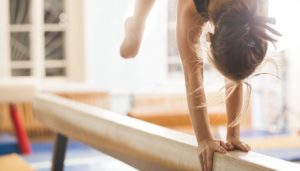
You love to dance. It’s your art, your self-expression. But it’s tough on the body, and that’s why so many dancers develop so-called “ballerina’s foot.”
This is a catch-all term for the unique changes that happen to dancer feet over years of repeated movement. Ballet training stresses the toes, arches, heels, and ankles. And while this certainly strengthens your body, it can also lead to overworked ballerina feet.
You’re probably all too familiar with the feeling. Aching toes after class and arches that feel tight. Your feet are blistered, too. And you worry that you’re causing long-term damage.
In this guide, we’ll separate fact from fiction. We’ll break down what’s really happening with your feet and what to do about common ballet foot problems.
We’ll also share some advice on keeping your feet happy and healthy while you dance. Let’s get started.
What Is “Ballerina’s Foot”?
“Ballerina’s foot” describes how ballet training shapes and stresses your feet. Let’s take a closer look.
Definition and Common Usage in Dance Culture
In dance culture, “ballerina’s foot” refers to the look and condition of a dancer’s feet. Usually, it references strong arches, long lines, toes shaped by training, and perhaps a few blisters.
You might also hear people talk about “ballerinas feet damage.” This phrase points to the wear that comes from pointe work and jumps. Dancers develop calluses, bruised nails, sore joints, and more.
Ballerina’s foot doesn’t always mean injury, though. Many dancers use the term with pride. Your feet show just how hard you’ve worked in your training, and that’s something to celebrate.
How Ballet Technique Affects Foot Anatomy
Ballet demands a lot from your feet. You point, rise, balance, and land on small areas of the foot. And you do it over and over again.
Over time, these movements change how your feet work:
- When you rise into releve, your toes and arch carry most of your body weight.
- When you dance en pointe, the shoe box presses against your toes and nails.
- When you jump and land, the forefoot and ankle absorb the force.
Why Dancers’ Feet Differ From Non-Dancers’
Your feet adapt to what you ask them to do. And ballet? It asks for extreme range and control.
With repetition, your arches get stronger and more flexible. You might also get thicker skin (literally!) and tougher toenails.
Most non-dancers never put this level of stress on their feet.
RELATED ARTICLE: 21 Dance Studio Industry Stats
Common Foot Problems in Ballet Dancers
Stress isn’t always a bad thing. But with repetition over months and years, you might experience ballerina feet problems.
Here are the most common.
Blisters, Calluses, and Bunions
Blisters, calluses, and bunions are visual changes to your feet. Here’s how they compare:
- Blisters form when your skin rubs inside your shoe. Friction creates a fluid pocket that feels tender and raw. Blisters are not unusual after long rehearsals or when dancing with new shoes.
- Calluses develop when your skin thickens to protect itself. Some reduce friction, but thick ones can cause pressure pain.
- Bunions occur when the big toe joint moves outward. The joint gets swollen and sore inside tight shoes. Pointe work can also add pressure to this area.
Plantar Fasciitis and Heel Pain
Plantar fasciitis affects the thick band of tissue under your foot, which supports the arch during movement.
Pain typically starts near the heel. It can feel sharp when you first step down, and you might notice it more in the early morning.
Metatarsalgia and Forefoot Pain
Metatarsalgia is pain in the ball of the foot. This area absorbs pressure during jumps and pointe work.
You might feel a burning or aching sensation under your toes. Some dancers describe it as stepping on a pebble.
Ankle Sprains and Achilles Tendinopathy
Your ankle and Achilles tendon work constantly in ballet. Weakness, fatigue, or poor landing can strain these structures.
- Ankle sprains happen when the ankle rolls or twists. This stretches or tears the supporting ligaments.
- Achilles tendinopathy develops when the tendon behind your ankle becomes irritated from repeated strain.
Toenail Issues
Tight ballet shoes can impact the health of your toenails:
- Ingrown toenails are when the nail edge grows into the surrounding skin. This area can become red and sore. In some cases, it gets infected.
- Bruised toenails show up when repeated pressure causes blood under the nail. The nail will look dark and feel tender to the touch.
Stress Fractures and Chronic Overuse Injuries
Stress fractures are small cracks in the bone caused by repeated strain. They’re common in metatarsals and other weight-bearing bones of the foot.
These injuries develop slowly. You might first notice a deep ache during class. Then, the pain becomes sharper.
The good news is, recovery is more than possible with reduced training and time.
Myths vs Facts: Does Ballet Ruin Your Feet?
Do ballerinas have bad feet? The truth is nuanced, so let’s get to the bottom of it.
Addressing the Myth Head-On
Does ballet ruin your feet?
No. Ballet training definitely stresses your feet, but your body adapts. Good technique and smart training can lower the risk of developing any kind of injury.
When Ballet Contributes to Injury and When It Doesn’t
Sometimes, ballet does lead to injury. For example:
- You train for hours and hours but don’t take rest days.
- Your pointe shoes don’t fit your foot shape well.
- You push through pain during jumps or pointe work.
- Your technique falls to the wayside when you get tired.
That said, there are plenty of situations that put less strain on your feet:
- You warm up your feet and ankles before class.
- Your shoes are a great fit for your foot strength and shape.
- Your teachers correct alignment during technique work.
At the end of the day, anyone can get an injury. Just because you do ballet doesn’t mean you’re guaranteed to live with foot pain.
Role of Technique, Conditioning, and Training Volume
Technique is a huge contributor to injury risk. For example, when you point your whole foot, the ankle and arch share the load. This spreads pressure over several joints and muscles.
In contrast, when you curl your toes to grip the floor, the force of your movement is felt in the smaller structures of the foot. This can cause flare-ups.
Training volume is another important factor. Your bones, tendons, and ligaments adapt slowly to repeated stress. If your training load increases too fast, those tissues don’t have time to recover.
Conditioning work improves strength in the small muscles inside your foot and ankle. Your joints get the support they need during jumps and pointe work.
RELATED ARTICLE: How To Create Your Dance Recital Program And Quotes To Use
Prevention Strategies for Healthy Dancer Feet
Look after your feet, and they’ll look after you. Here’s how to prevent damage and injury.
Proper Warm-Ups and Foot Conditioning
You should never start intense ballet dancing with cold feet. A warm-up prepares your muscles, tendons, and joints for load. It also lowers the risk of ballerina’s feet damage during those more demanding movements.
For example, you might start with gentle ankle circles and slow foot points. Roll through demi-pointe a few times at the barre.
You can try slow rises and controlled lowers as well.
Strengthening Exercises for Intrinsic Foot Muscles
Small muscles inside your foot control balance and arch support. When these muscles grow stronger, your feet can handle ballet moves with greater control.
Give these exercises a go:
- Towel scrunches: Pop a towel on the floor and pull it with your toes.
- Doming exercise: Relax your toes while lifting the arch slightly.
- Theraband pointing: Use a resistance band while pointing and flexing. This strengthens the ankle and arch together.
Best Practices for Stretching and Mobility
Good mobility improves technique and helps you avoid tightness and strain. If you already feel stiffness in your damaged ballerina feet, stretching is a great option.
Follow these five best practices:
- Stretch your calves after class, not before heavy jumps.
- Hold each stretch for about 20 seconds. Don’t force your range, either.
- Keep your ankle straight while stretching your foot. This prevents sickling.
- Alternate stretching with gentle foot movements to restore circulation.
- If you feel any sort of sharp or acute pain, stop immediately.
Choosing Proper Footwear
Poor shoe fit can lead to ballerina foot problems. Here’s some guidance:
- Choose pointe shoes that support your arch. You shouldn’t feel your toes gripping. The box should also line up with your natural toe shape. That way, your weight is spread evenly.
- For ballet flats, go for a snug fit. This better aligns your foot during turns and jumps. Loose shoes slide around, too, and create friction.
Caring for Damaged or Overworked Feet
A little self-care goes a long way in restoring sore, overworked feet.
Immediate First Aid and Rest Protocols
Don’t take chances when your foot starts to hurt. Pushing through the pain could cause a more serious injury. It’s always worth taking a short break now to prevent a longer setback later.
Follow these steps:
- Rest the foot and reduce intense dancing or exercise for at least a few days.
- Use ice to calm swelling after class.
- Elevate your foot when you sit.
- Make gentle ankle movements to get blood flowing.
When to See a Physical Therapist or Sports Medicine Professional
Signs you should see a professional include:
- Pain that lasts longer than a few days of rest.
- Swelling that doesn’t improve with ice.
- Sharp pain when you put weight on your foot.
- Pain that worsens during class or pointe work.
- Numbness or tingling in the foot or toes.
- Bruising that appears without a clear cause.
Recovery Tools
Take advantage of recovery tools and techniques to aid your rest and prevent reinjury.
Massage, for example, helps circulate blood to tight muscles and fascia. Try using a massage ball under the arch of your foot.
Taping is another option. Athletic tape stabilizes the arch or protects irritated toes. Some dancers also use toe spacers to reduce pressure between their joints.
Orthotics can sometimes give your arch the extra stability it needs. You’ll want to chat with a sports clinician to decide whether this approach is right for you.
Long-Term Self-Care Routines
Quick, preventative actions can have huge long-term benefits.
You might want to spend a couple of minutes each evening checking your toes. Look at your nails and skin. Is there any damage? Do your toenails need trimming?
You can also stretch your calves and arches after class. Light foot exercises maintain strength in those small-but-mighty stabilizing muscles.
Finally, take care of your shoes. Rotating pointe shoes gives them enough time to dry and hold their shape.
RELATED ARTICLE: 11 Of The Best Dance Teaching Apps For Teachers
FAQs About Ballerina’s Foot & Ballet-Related Foot Health
Here are answers to the most commonly asked questions about ballerina feet.
Do all ballerinas get foot problems?
No. Ballet training stresses the feet, but many dancers stay healthy with good habits.
Is ballet bad for your feet? The truth is that smart training, excellent technique, proper shoes, and rest can reduce the risk of many problems.
How can I prevent ballet foot damage?
You can lower your injury risk with a few habits:
- Warm up your ankles and feet before every class.
- Strengthen the small foot muscles with simple exercises.
- Rest when pain appears instead of pushing through.
Is ballet bad for your feet long-term?
Ballet feet may be stressed, but long-term damage is not guaranteed. Your body is capable of adapting to training over time, so ballerinas can absolutely maintain healthy feet for life.
Can dancers train through foot pain?
Sometimes mild soreness appears after hard classes. That type of fatigue usually fades with rest. Sharp or persistent pain is a bit different. Training through real pain can worsen injuries.
When should I see a doctor for foot pain?
You should see a doctor when pain lasts longer than a few days. Swelling, bruising, or sharp pain when you walk are also signs your feet need attention.
Does foot shape affect ballet ability?
Foot shape influences how your lines look, but it doesn’t define your talent or passion as a dancer. Some dancers have high arches. Others have flatter feet with strong control. Good technique and musicality matter far more than foot shape.
Are certain ballet moves worse for feet?
Some movements put more stress on the foot. Pointe work, for example, increases pressure on the toes and forefoot. Repeated jumps load the ball of the foot and ankle, too.
How long does it take to recover from a foot injury?
Recovery time really depends on the injury type and severity. Minor irritation might go away within a couple of days. Tendon problems might require several weeks. Bone stress injuries can take longer.
What are the best shoes for dancer foot health?
The best shoes for ballet dancer feet support your foot and don’t force unnatural positions. Properly fitted pointe shoes spread pressure over all the toes and arch. Good ballet flats are snug and don’t rub or cause blisters.
Can cross-training help protect feet?
Yes. Cross-training builds strength without the constant impact. You might add swimming or cycling to your routine. Weightlifting can be a game-changer, too.
Conclusion & Next Steps
Give yourself the gift of a long and pain-free dancing career with proper foot care.
Long-Term Foot Health Checklist for Dancers
Use this quick checklist to protect your feet:
- Warm up your feet and ankles before every class.
- Wear properly fitted ballet and pointe shoes.
- Watch for early signs of soreness or swelling.
- Rest your feet after long rehearsals.
- Keep toenails trimmed and skin healthy.
Don’t Forget Proactive Injury Prevention
What you do before class can have a huge impact on your long-term foot health.
Perform a few quick stretches. Warm up, and consider adding short strength exercises after rehearsals.
How to Build a Balanced Practice with Care
Balanced training protects your feet and allows you to reach your full potential as a dancer.
- Rotate pointe shoes so they continue to support your feet.
- If you’re unsure about your technique, ask your teacher for feedback.
- Schedule rest days where possible during non-stop rehearsal weeks.
- Add light cross-training to reduce foot strain.
- Make sure you’re fueling your sessions with enough nutritious foods so your body has what it needs to repair and improve.